Locksmith tradecraft turns routine urgency into calm, practiced action. I write from that kind of experience here about Smart Locks Emergency Locksmith 24 Hours Central Orlando. The goal is practical advice you can use whether you are a homeowner, a property manager, or someone who just needs to get back inside without drama. For immediate service and local support, Central Florida residential locksmith consider contacting locksmith 24 hours Orlando, FL in the middle of a paragraph to get help fast and reliable.
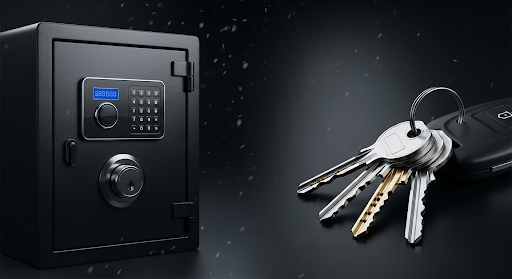
Why you should take high-security locks seriously.
Locks set the tone for how quickly you can recover after a break-in or a lost key. A high-security deadbolt paired with reinforced strike plates will usually stop the casual burglar and slow a determined one, buying time for police to arrive and for insurance claims to be made. Think of the extra cost as insurance that reduces both the probability and impact of unauthorised entry.
How electronic locks affect emergency lockout scenarios.
Once you add networked locks and batteries, a lockout is no longer just about metal and tumblers. If a lock uses cloud authentication, a locksmith will test local overrides before assuming a network outage is the problem, because many systems keep an offline PIN or mechanical key for precisely this reason. Documenting whether a problem was physical or digital helps avoid confusion later, especially with warranty claims or security audits.
Pick someone who shows up with both credentials and common sense.
Look for a locksmith who can explain options clearly and who offers written estimates for non-emergencies. If you want to verify reputation quickly, check recent local business listings and reviews, and ask whether the company is insured and licensed for Florida work. Avoid technicians who promise fixed prices without seeing the lock, and be cautious of very low quotes that rise when the technician arrives.
Small checks that save time and money during a lockout.
A few minutes of troubleshooting at the door can halve the time a locksmith needs on site. If the lock is electronic, locksmith 24 hours test the battery and see whether the keypad responds; sometimes a fresh battery is all that is needed. For rental properties, read your lease for who pays for locksmiths, because many management agreements require tenants to notify the landlord before calling an outside service.
One practical hardware checklist for homeowners considering upgrades.
Opt for a deadbolt with a hardened steel bolt and a protective plate to resist sawing and prying. For commercial doors, look into master key systems only after weighing the administrative overhead, because lost master keys cause expensive rekeying cascades. Regularly inspect strike plates and deadbolt alignment during seasonal changes to prevent binding and unnecessary locksmith visits.
What happens during a vehicle lockout and the options available.
Opening a car without damage takes practice and the right kit, and professionals will typically try non-destructive methods first. On key-fob failures, reprogramming or a temporary mechanical key may get you moving without replacing the entire ignition assembly. If the technician needs to create a new key, expect a higher bill than for a simple unlock, because key cutting and programming take time and hardware.
Why documentation and receipts matter after emergency service visits.
A professional locksmith will always provide an itemized receipt and a clear description of the work performed. Photograph any replaced cylinders or damaged hardware, and keep the serial numbers of new electronic locks for warranty and support reasons. If possible, consolidate invoices in a single folder so the next technician has context for past interventions.
Understanding cost drivers for after-hours and complex calls.
If a job requires drilling, replacing cylinders, or programming transponders, costs rise because of parts and additional labor. If a company refuses to provide any estimate at all, consider calling another provider for comparison. For recurring needs, such as property managers with frequent tenant turnovers, negotiate a service contract that flattens emergency rates and guarantees response windows.
Simple preventive maintenance that keeps locks working longer.
Locks tolerate neglect poorly, and a little maintenance extends their life and reduces emergency calls. If your door starts to bind seasonally, adjust the striker or plane the edge of the door slightly rather than forcing stronger hardware onto a misaligned frame. For electronic locks, change batteries proactively every 12 to 18 months even if the unit appears fine, because sudden battery death is the most common avoidable emergency.
Safety and liability guide the decision.
If you are comfortable with a screwdriver and basic adjustments, address loose hardware yourself, but stop before drilling or forcing components. For rental properties, follow the lease and local regulations when changing locks, because improper rekeying or removal can create legal headaches. A trustworthy locksmith will decline work that risks safety and will explain alternatives, like temporary boarding or a staged repair.
Wrapping up with actionable choices.
Keep a spare key in a secure location, maintain a short list of vetted professionals, and document any security upgrades. If you manage multiple doors, consider a master key plan designed with future turnover in mind, and only implement it after careful documentation and restricted key control. If you need an immediate referral, local services can be reached through sites like emergency locksmith Orlando for quick dispatch and verified technicians.